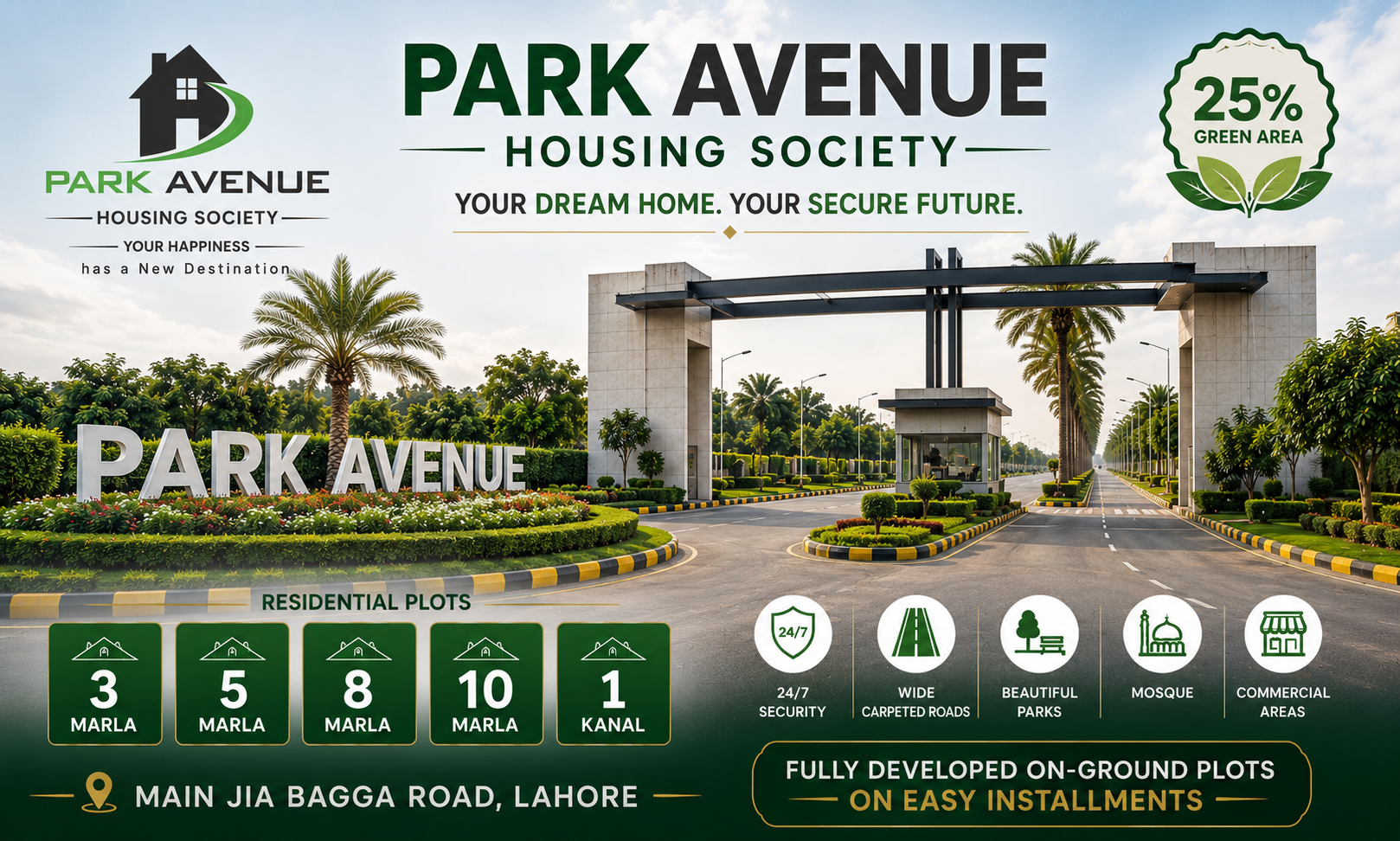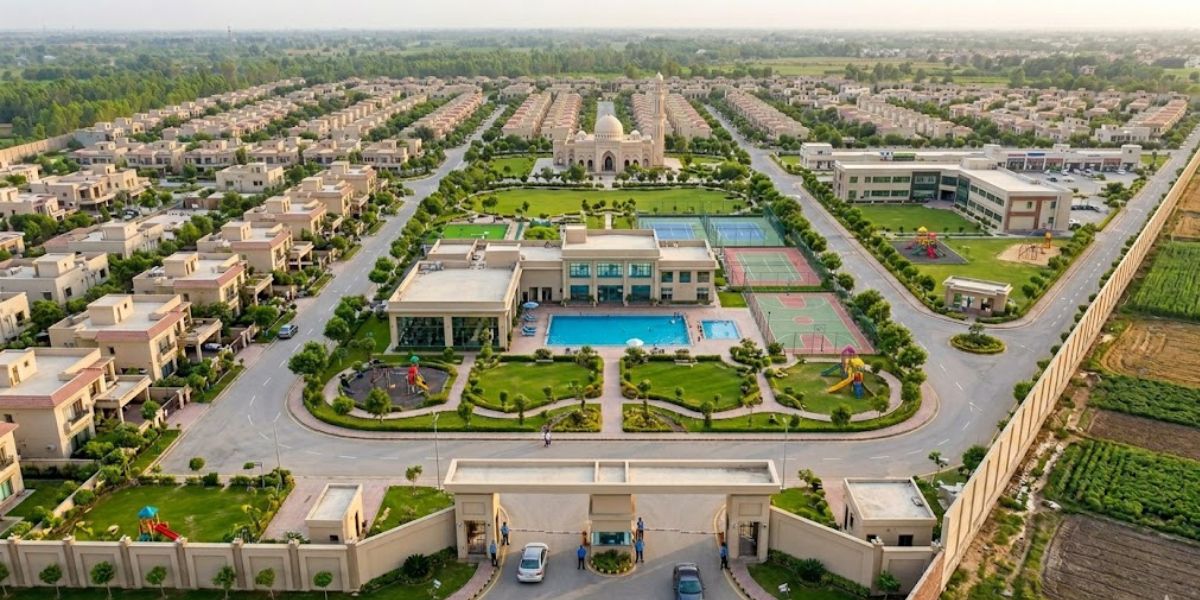
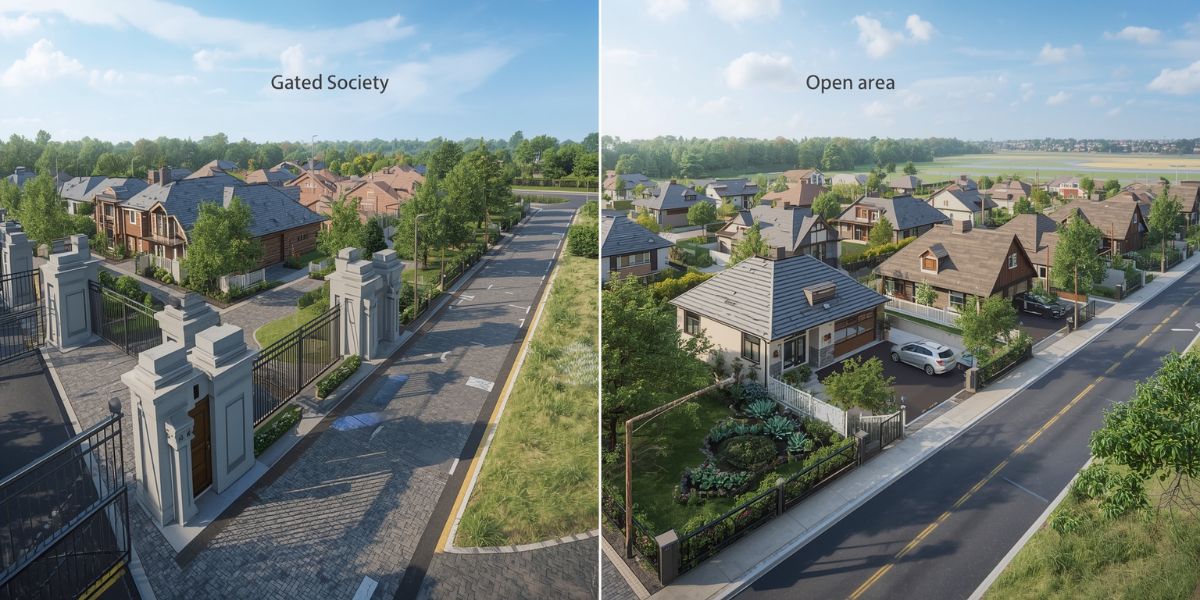
Over the past few years, urban living has changed greatly. The way people choose their homes has changed due to a sudden population increase, shifting lifestyles, and growing safety issues. The development of gated housing societies beside ordinary open residential areas is one of the most visible developments in living design. These two housing styles provide various viewpoints on social relationships, life in communities, management, and security.
Closed homes with private facilities are known as gated housing societies. Open home districts, on the other hand, are normal communities with shared public facilities, access for everyone, and greater involvement with the city. Both systems have benefits and drawbacks, and financial, cultural, and design factors frequently determine whether they are suitable.
Recognizing Gated Communities
Gated Communities’ Rise
Many things are contributing to an increase in gated housing communities. Middle-class and upper-class families are looking for safe and well-maintained homes due to rising crime rates, growing wealth, unequal treatment, a desire for higher living standards, and unhappiness with public infrastructure. Gated communities are presented by real estate developers as high-end lifestyle items.
Gated communities have come to represent advancement, status, and aspiring living in a number of developing countries.
Recognizing Open Residential Areas
Historical Importance
“Open residential areas” are areas where homes are built next to roads that are open without any hurdles.
Residents in open spaces depend on city police rather than private protection, and there is no central office managing all of the area’s streets.
In cities and towns, open homes have always been the most common type of residence. They developed naturally to serve a variety of cultures and professions. These places are open and socially rich.
Safety and Security
Gated Housing Societies’ Security
Improved safety is one of the best reasons for gated housing buildings. Unwanted access is significantly reduced by guest identification systems, security workers, CCTV cameras, and controlled entrance and exit points. Elderly residents frequently feel safer, and children are free to play on the property.
But total safety is not promised. Internal crimes can still happen, and overconfidence in private protection can occasionally create carelessness.
Safety in Public Residential Spaces
Public security and community awareness are the main sources of support for open residential areas. Residents are advised to establish bonds and watch out for one another, even though this may lead to quicker responses or uneven security.
Location, financial status, and the quality of local government all have an important effect on the level of safety in open spaces.
Community Life and Social Relations
Social Life in Societies with Gated Homes
Through groups, festivals, sports events, and member meetings, gated communities frequently encourage organized social relationships. Interaction between neighbors is made possible by shared facilities. These exchanges, however, usually limited to those from similar societal and financial backgrounds.
This similarity can lead to loneliness from the larger population and less contact with different cultures.
Facilities and Construction
Gated Housing Societies’ Facilities
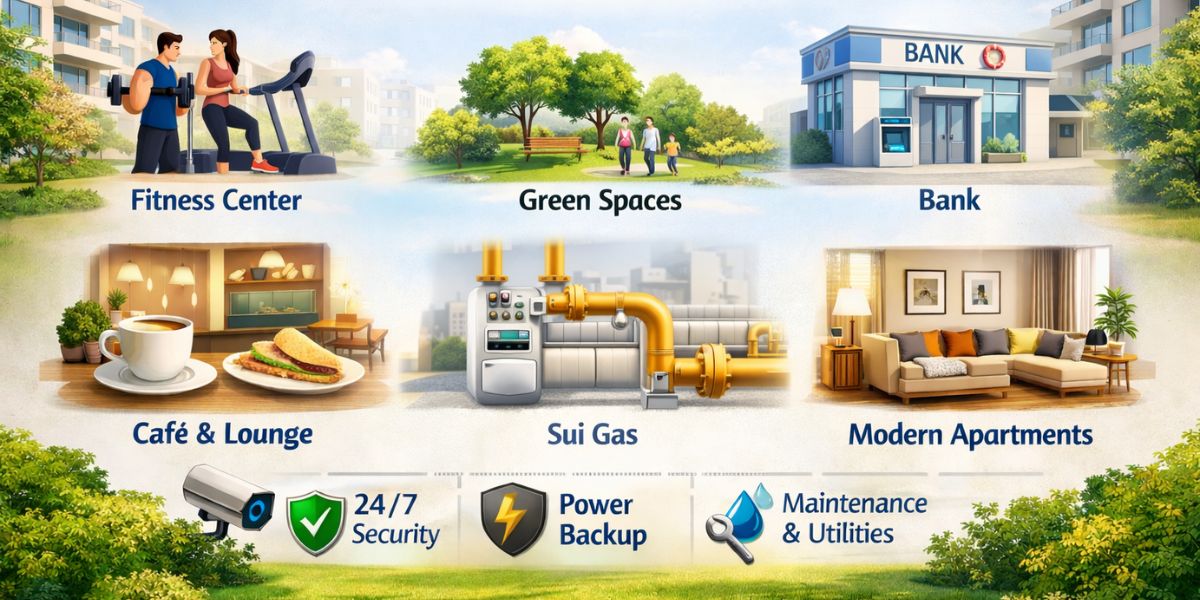
High-quality services are usually provided by gated communities. Service quality is often constant because residents pay fees to maintain it.
However, visitors are unable to use these private facilities, which results in an uneven use of public resources.
Open Residential Areas’ Infrastructure
Open-space development benefits a larger population and enhances social connections in general.
Management and Management in Gated Communities
Residents’ comfort associations or management groups oversee gated communities. These organizations monitor upkeep, handle finances, and enforce laws. Making decisions is frequently quicker and more effective.
Strict rules, however, can limit personal freedom, and differences among people may result in fights.
Open Residential Area Authority
Cities are in charge of open neighborhoods. Although this guarantees public transparency, delivery of services may be influenced by governmental difficulties and limited resources.
In order to solve problems, homeowners frequently have to work together with local officials, which can take time but promotes participation in politics.
Living Expenses in Open Residential Areas
A greater number of housing possibilities, from reasonably priced homes to expensive residences, are available in open residential neighborhoods. They are cheaper for a wider range of income levels because to their lower maintenance requirements.
Inclusive urban development is supported by this economic diversity.
Social Justice and Equality
Gated Housing Societies’ Accessibility
People frequently blame gated communities of encouraging isolation from society. They create “islands of luxury” within cities by limiting access, separating people from the general population.
Understanding and compassion between various social groups may be lost as a result of this separation.
Open Residential Areas’ Diversity
By encouraging people from all backgrounds to live together and engage with one another, open living areas naturally create unity. Economic activity benefits a larger population, and public areas are used.
These places encourage principles of democracy and unity in society.
Effects on the Environment and Planning for Cities
Gated Housing Societies’ Effects on Cities
By blocking roadways and reducing access, gated areas may block city connections. They might make it harder to walk and increase transportation delays. Communities may be affected by the use of resources and heavy private plantings.
Large gated development has the ability to cause scattered urban growth at the city level.
Open Housing Areas’ Effect on Cities
The connection of open residential spaces with city planning is improved. Healthy transport in cities is supported by the continuous availability of roads, public transportation, and paths for walking.
Although careful planning is necessary to stop overpopulation, those areas encourage different land use and organic growth in cities.
Changing Trends and Lifestyle Choices
Gated Housing Society Lifestyle
People looking for simplicity, order, and privacy find residential areas interesting. The regular surroundings and facilities are usually chosen by families with no children, working professionals, and senior citizens.
The way of life is peaceful, comfortable and mostly protected from the disorder of the city.
Open Residential Area Lifestyle
Open living spaces are ideal for people who like freedom, cultural growth, and a sense of belonging. A vibrant lifestyle is produced by neighborhood traditions, street life, and small businesses.
Although this way of life permits more freedom, it also calls for creativity.
Advantages and Disadvantages in Brief
Benefits of Gated Communities
- Increased safety
- Improved upkeep and facilities
- planned community events
- Reliable living conditions
Gated housing societies’ disadvantages
- Expensive
- Separation in society
- Insufficient variety
- Limited freedom
Advantages of open residential areas
- social acceptance
- reduced costs
- cultural diversity
- improved urban integration
Drawbacks of open residential areas
- inconsistent infrastructure
- variable security
- reliance on public services.
Last Words
Two opposing conceptions of life in cities are represented by gated housing developments and open residential areas. Those who value safety and ease will find gated communities interesting because they highlight security, isolation, and strictly controlled settings. On the other hand, open residential neighborhoods reflect the past atmosphere of city life and represent involvement in society.
So I would like to say that every system has some advantages or disadvantages; it’s up to you what you would like best according to your needs.